)
)
)
Hand Arm Vibration
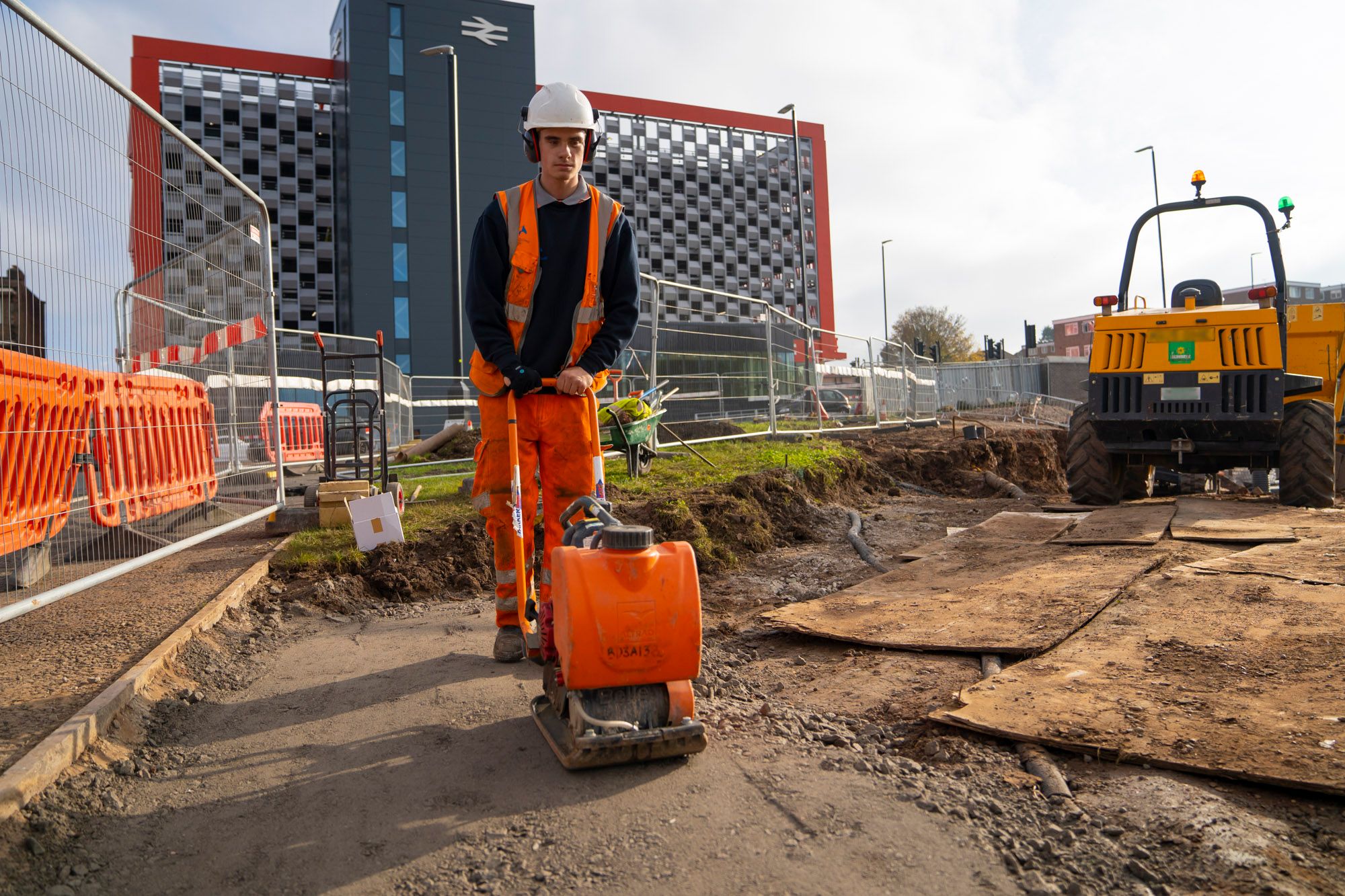
This damage
commonly manifests as ‘white finger’, where, especially in cold weather, fingertips
blanch followed by a painful return of sensation. This can result in a loss of
dexterity and strength, and if repeated exposure to vibration continues, the
symptoms can become permanent.
Like other hazards,
hand-arm vibration (HAV) exposure should be reduced with a focus on eliminating
and substituting processes where possible, and using engineering and
administrative controls to decrease exposure. To make informed decisions about
these measures, HAV exposure can be monitored in a few ways.
‘Tool-timer’
devices time how long a vibrating tool is active and then use vibration data
from the tool manufacturer, online databases or previous tool profiling to
estimate the HAV experienced. This type of monitoring is widely used in
workplaces such as construction sites. However, it relies on vibration values
which may not represent reality as different levels of tool wear and tear, different
material substrates, and different operators can all significantly affect the vibration
exposure.
Direct
measuring of HAV, if performed at all, is typically done to provide general
vibration data for a particular tool, and can involve cumbersome equipment
set-ups. However, new innovations such as the HAV-Sentry system now allow
direct measuring of hand-arm vibration during work through a sensor and
datalogger in a convenient liner glove, allowing for tailored and precise
measurements of individuals’ exposures from work processes, as well as
real-time alerts.
For more information about the HAV-Sentry System, please visit our website.

)
)
)
)
)
)



)
)
)
)


)
)
)
)
)
)
)
)
)
)
)
)
)