)
)
)
Why Health and Safety Risk Assessment Is Important for a Safe Workplace
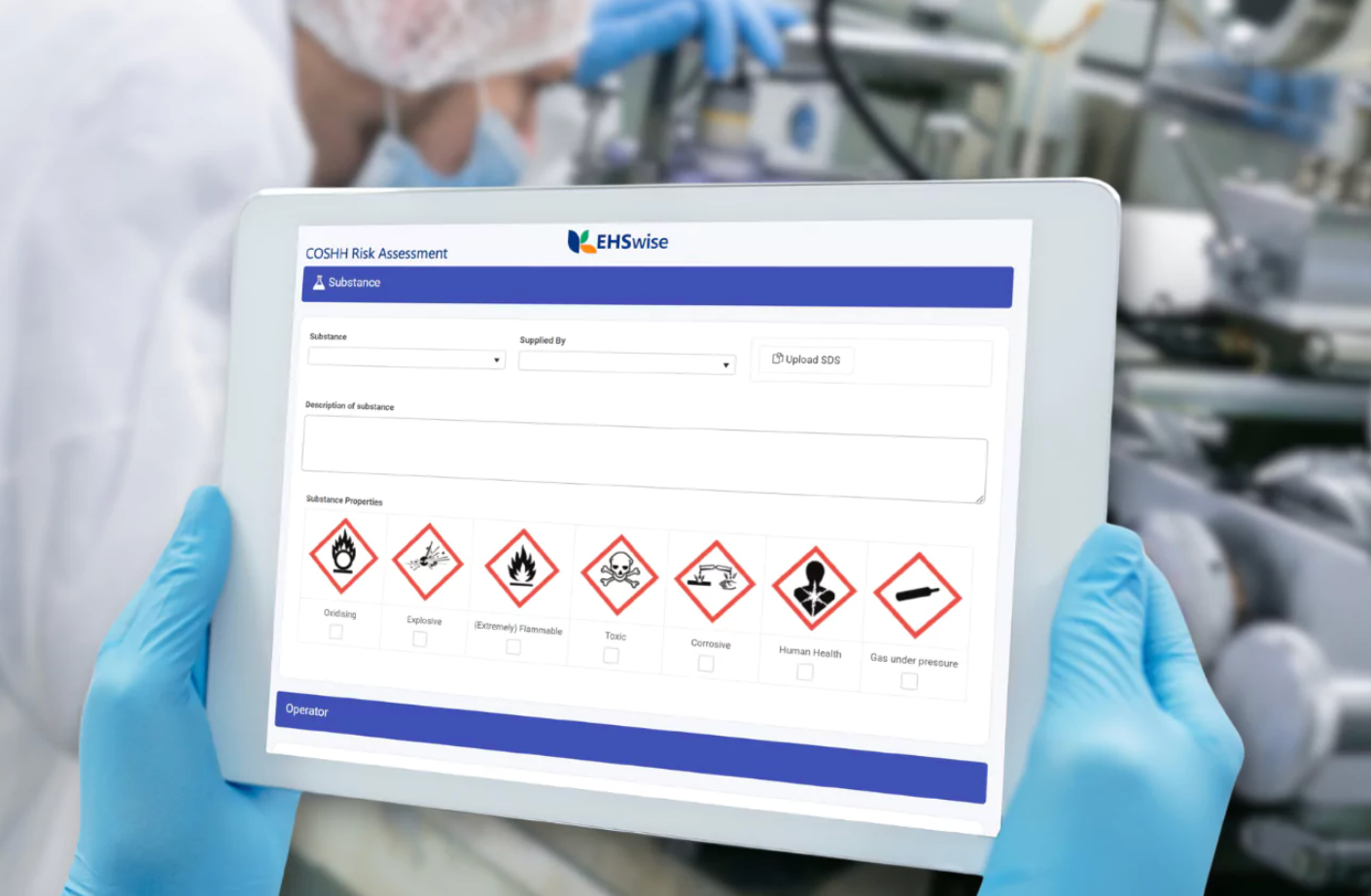
Health and safety risk assessments are fundamental to creating and maintaining a safe workplace. While they are a legal requirement, their real value lies in helping organisations identify hazards early, assess potential risks, and implement effective control measures to protect employees and operations.
By taking a proactive approach to risk assessment, businesses can prevent accidents, reduce downtime, and build a strong safety culture.
The Consequences of Poor Risk Management
Failing to identify and manage workplace risks can have serious consequences, including injuries, fatalities, legal action, and reputational damage. Real-world incidents continue to show that when hazards are ignored or risk assessments are missing, the outcomes can be devastating for both workers and organisations.
Effective risk assessments help prevent these scenarios by ensuring risks are identified and controlled before harm occurs.
What Is a Health and Safety Risk Assessment?
A health and safety risk assessment is a structured process used to identify workplace hazards, evaluate the level of risk, and determine appropriate control measures. It provides a clear framework for managing safety across all activities.
The process typically involves:
- Identifying hazards and who may be affected
- Assessing the likelihood and severity of potential harm
- Implementing controls to eliminate or reduce risk
Digital tools can simplify this process, making risk assessments easier to create, review, and manage across teams. Learn more about digital risk assessment solutions.
Why Are Risk Assessments So Important?
Health and safety risk assessments support organisations by:
- Protecting employee health and wellbeing
- Supporting legal and regulatory compliance
- Reducing accidents, incidents, and near-misses
- Improving productivity and operational efficiency
For higher-risk activities, such as handling hazardous substances, structured assessments like COSHH assessments play a crucial role in controlling exposure and ensuring safe working practices.
When Should Risk Assessments Be Carried Out?
Risk assessments should be completed:
-When introducing new processes, equipment, or substances
- After changes to the workplace or work activities
- Following an incident or near-miss
- As part of regular safety reviews to keep assessments up to date
Regular reviews ensure emerging risks are identified and managed before they escalate.
The Benefits of a Structured Approach
A well-managed risk assessment process helps organisations:
- Prevent accidents and injuries
- Maintain clear, auditable safety records
- Improve employee awareness and engagement
- Standardise safety practices across sites and teams
Using a centralised system allows businesses to manage assessments consistently and efficiently.
Health and safety risk assessments are not just a compliance exercise. They are a practical and proactive way to protect people, strengthen safety culture, and support long-term business performance.
Looking to streamline your risk assessment process?
Discover how EHSwise by Kianda can help you digitise risk assessments, COSHH management, and safety workflows in one central platform.
👉 Book a demo or explore our Health & Safety solutions.
)
)
)
)
)
)
)
)
)
)
)
)
)
)
)
)