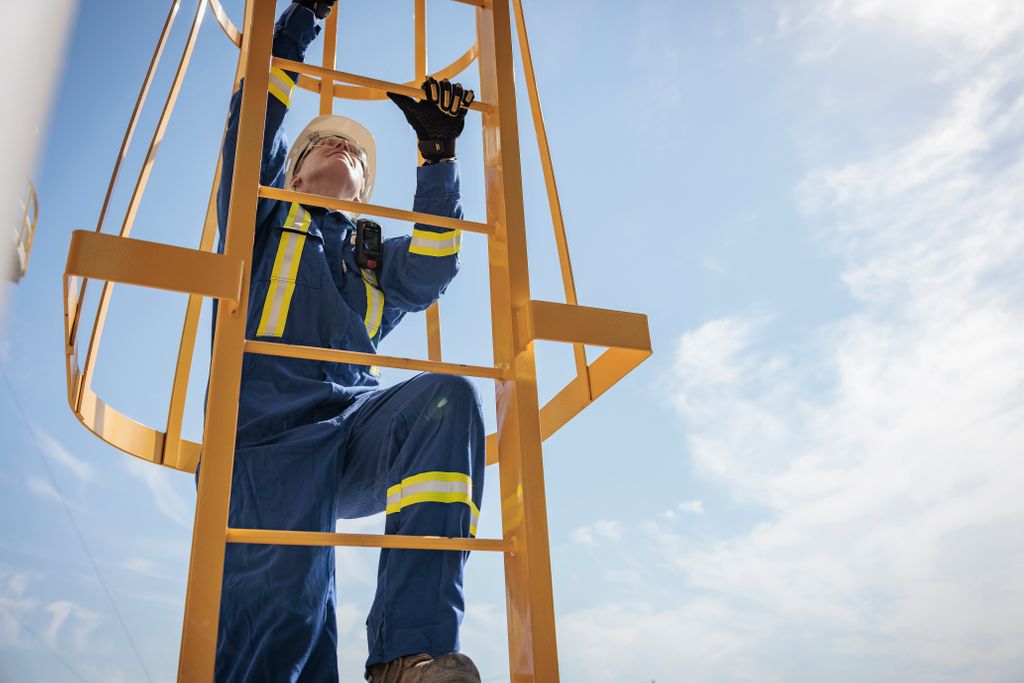
When we talk about lone worker safety, we usually picture the physical risks: a slip in a plant room, a gas leak in a confined space, an aggressive member of the public on a doorstep. Those risks are real, and they rightly get attention.
But there is another risk that is easier to miss because it doesn't show up in an incident report. Working alone, day after day, can take a toll on mental health. Engineers, care workers, security staff, utility technicians and delivery drivers often spend whole shifts without seeing a colleague. For many of them, isolation is part of the job.
As organisations put more focus on wellbeing, it's worth asking: does your lone working approach protect people's minds as well as their bodies?
Why isolation matters
In a shared workplace, a lot of support happens without anyone planning it. A colleague notices you seem off. You talk through a tricky job over a brew. A manager sees you're overloaded and steps in. Lone workers miss most of these moments.
That can lead to:
- Pressure with no outlet. Problems on the job have to be solved alone, with no one to sense-check a decision.
- Worry about what happens if something goes wrong. Knowing no one would notice a fall or a sudden illness quickly is a stress of its own, especially on remote or out-of-hours shifts.
- Feeling disconnected. Lone workers can feel out of the loop on team news and less valued than office-based colleagues.
- Warning signs going unnoticed. Without regular face-to-face contact, the early signs of stress, fatigue or burnout are harder for anyone to spot.
Over time, these pressures can affect concentration and decision-making too, so poor wellbeing can also raise the physical risk.
What the HSE says
This isn't just a nice-to-have. The HSE's lone working guidance says directly that "lone working can cause work-related stress and affect people's mental health." It also notes that being away from managers and colleagues "could make it difficult to get proper support".
Employers already have a legal duty to assess and control the risks of lone working. The HSE's guidance makes clear that stress and mental health belong in that assessment alongside the physical hazards. It recommends putting procedures in place for direct contact with lone workers, so that managers can pick up on signs of stress early.
The HSE's Management Standards for work-related stress make the same point: relationships with colleagues and support from them are key factors in preventing stress. For lone workers, that support has to be designed in deliberately.
Five practical steps for employers- Put wellbeing into the lone working risk assessment. Look beyond physical hazards. Ask how long people work alone, how often they see colleagues, and what happens when a job goes badly.
- Make contact regular and meaningful. A scheduled check-in should be a real conversation, not just a box ticked. Managers should ask how people are doing as well as where they are.
- Keep lone workers connected to the team. Invite them to team meetings, share news with them, and create chances for them to meet colleagues in person.
- Train managers to spot the signs. Changes in tone, missed check-ins or shorter answers can be early signs of stress. Managers of remote teams need to know what to look for and how to respond.
- Make sure help is always within reach. People feel more confident working alone when they know that, if something goes wrong, someone will know and respond quickly.
- Where technology fits in
Technology can't replace a good manager or a supportive team, but it can remove one of the biggest sources of worry for people who work alone: what happens if no one knows something has gone wrong.
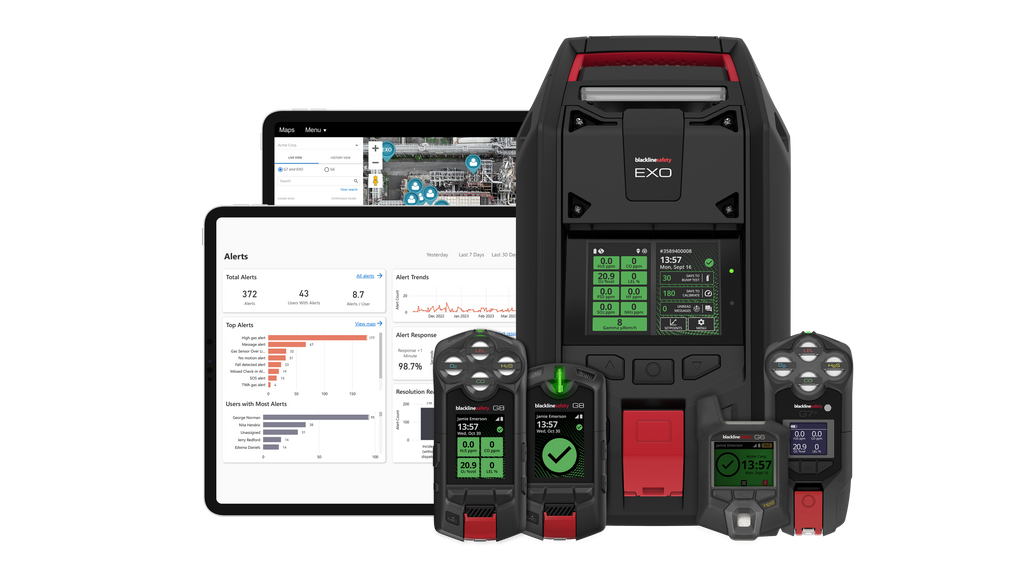
Connected safety devices let lone workers call for help at the push of a button and can automatically detect a fall or a period of no movement. Two-way voice lets a monitoring team talk to the worker straight away. Knowing that help is always one press away gives people peace of mind, and that confidence is part of their wellbeing too.
The same data can help organisations see patterns, such as who works alone most often, at what times, and where. That makes it easier to plan workloads, rotas and contact so no one is left isolated for too long.
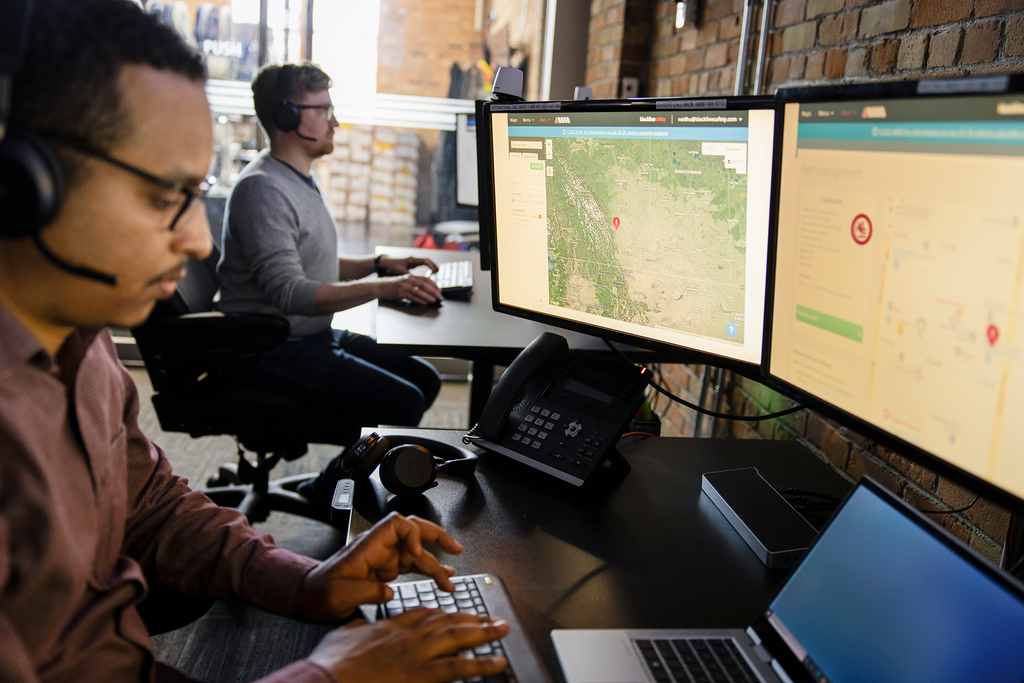
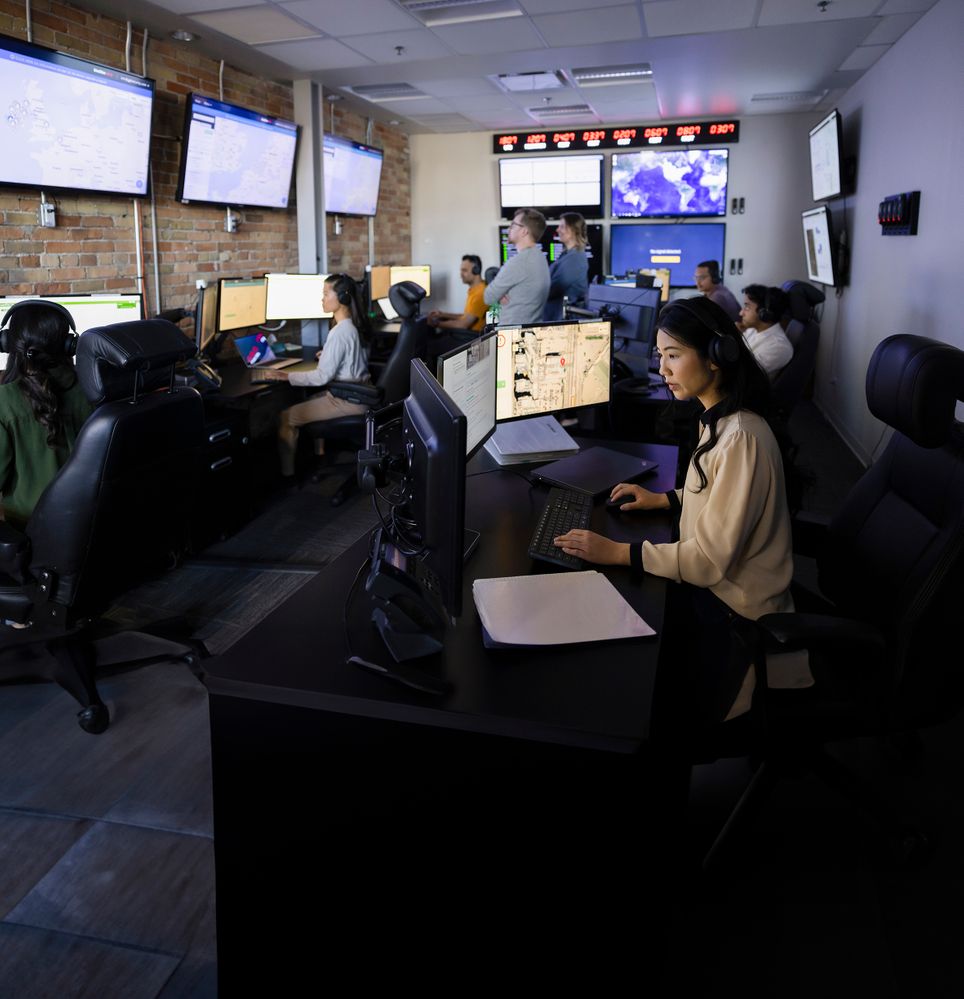
The value of live monitoringA device is only as good as the response behind it. An alert that goes to a busy supervisor's phone at 3am, or to a voicemail, doesn't give anyone real peace of mind. That's where a dedicated, round-the-clock monitoring team makes the difference.
-
The benefits of live monitoring for lone workers include:
- A real person, every time. Trained monitoring agents respond to alerts 24/7, so no call for help depends on whether a manager happens to be available.
- Faster, better-informed response. Agents can see a worker's location, speak to them directly and follow an agreed escalation plan, whether that means calling a colleague, a site contact or the emergency services.
- Reassurance for the worker. Knowing that someone is always watching out for them, and that they'll hear a human voice if something goes wrong, reduces the anxiety that comes with working alone.
- Less pressure on managers. Supervisors no longer need to be on call around the clock to respond to alerts, which supports their wellbeing too.
- A clear record. Every alert and response is logged, helping organisations review incidents, spot trends and show they are meeting their duty of care.
-
For many lone workers, that human connection is the most valuable part of the system. It turns a safety device into a lifeline, and means no one is ever truly working alone.
Join the conversation at Safety, Health & Wellbeing LiveLooking after lone workers means looking after the whole person. That includes the physical risks they face and the mental strain of working without a team around them.
Blackline Safety will be at Safety, Health & Wellbeing Live on stand C30. Come and see how connected safety technology helps organisations protect lone workers and gives them confidence that help is always close by. Our team will be happy to talk through your lone working challenges.