-
Every product, service and construction project depends on people. Yet the human impact of how work is organised, contracted and delivered is often invisible.
IOSH's human cost campaign challenges us to look beyond the finished product and consider the realities experienced by workers throughout the supply chain. From unsafe working conditions and excessive work demands to labour exploitation and modern slavery, hidden risks can have significant human and organisational consequences.
This session explores what these issues mean for OSH professionals and how they connect to broader responsibilities around worker wellbeing, contractor management, due diligence and organisational culture. Join us to gain practical ideas for recognising potential risks, engaging stakeholders and promoting safer, healthier and more ethical outcomes for all workers.
-
A live and practical session showing how different AI tools can be used across real health and safety scenarios. Rather than focusing on theory or hype, this session will demonstrate how a range of platforms can help with insight gathering, content creation and practical problem-solving, with each tool used for the job it does best.
Using a relatable end-to-end use case, the session will show how AI can support different stages of a real workflow, from exploring information and shaping ideas through to producing useful outputs and simple digital tools. Attendees will leave with a clearer understanding of where AI can genuinely add value in day-to-day health and safety work, how different tools serve different purposes, and how to start using them in a practical and sensible way.
-
Modern slavery can be hidden in plain sight, within workplaces, employment practices and complex supply chains. But spotting and preventing exploitation isn't the responsibility of one profession alone.
Bringing together perspectives from occupational safety and health, human resources, procurement and the anti-slavery sector, this panel will explore how these functions can work together to recognise warning signs and strengthen prevention.
From what we see on the ground to the decisions made about people, suppliers and contractors, the discussion will bring modern slavery back to the everyday workplace and ask: where and how can safety and health professionals make a difference?
Join us to gain practical insights into how greater awareness, due diligence and cross-functional collaboration can help protect workers and uncover the human cost that might otherwise remain hidden.
Chairperson -
Starting a career in Occupational Safety and Health can be both exciting and challenging. Early-career professionals are often expected to influence decisions, navigate workplace pressures, and establish credibility while continuing to develop their skills and confidence.
Join members of the IOSH Future Leaders Community Committee for an interactive panel discussion exploring the realities of building an OSH career. Through personal experiences and practical insights, our panellists will discuss how they've developed confidence, influenced positive change, managed competing priorities, and found their voice in the workplace. Attendees will gain valuable lessons and actionable advice to help them grow, make an impact, and thrive in the profession.




-
What will safety look like in 2030 — and who will be responsible for it? As AI, automation, climate change, new technologies and changing patterns of work reshape organisations, traditional approaches to health and safety are being challenged. In this opening conversation, we will explore what the future holds. Will safety remain a specialist function, or will responsibility become embedded across leadership, operations, technology and culture? What skills will tomorrow’s safety professionals need? And what must organisations do differently today to prepare for the risks of tomorrow? A provocative conversation about where safety is heading — and who needs to lead the change.Speakers
-
In this fireside chat, Laura Gibb, Chief Executive of the Security Industry Authority (SIA), the regulator responsible for Martyn’s Law, joins Figen Murray OBE, the law’s driving force and tireless campaigner, for an open and practical conversation about what the legislation means for those responsible for public spaces. Moving beyond the headlines and misconceptions, they will explore the purpose of the legislation, address common concerns and explain how venues can approach their new responsibilities with confidence. A key focus will be proportionality, ensuring that protective measures are appropriate to the size and nature of each venue, without placing an unreasonable financial burden on smaller organisations.
-
How can safety professionals turn a recommendation into a business decision? In this keynote conversation, Lucy Pritchard brings the perspective of an experienced in-house safety leader, while CEO Tom offers the view from the boardroom. Together, they explore how to build a culture that supports open safety discussions, influence senior decision-makers and demonstrate the business value of investing in people and prevention.
-
As safety becomes increasingly complex, are we sometimes losing sight of what genuinely keeps people safe? Drawing on his award-winning work, Matt Hall, Lead Auditor at Rolls-Royce shares how organisations he has worked within have challenged their existing approach and refocused on the fundamentals of safety. Rather than adding another layer of systems and procedures, what needed to change in the way people thought, behaved and took responsibility? Through a real-world account of cultural change, increased safety reporting, stronger action close-out and a period with zero injuries on site, Matt explores what made the difference — and what other organisations can learn from going back to basics.
Key takeaways
- Challenge complexity: Identify where safety systems and processes may have become unnecessarily complicated or lost sight of their purpose.
- Refocus on the fundamentals: Understand which everyday behaviours, leadership practices and safety principles make the greatest difference.
- Build a culture of ownership: Explore how listening to, influencing and empowering people can strengthen reporting and engagement.
- Turn reporting into action: Learn why encouraging people to raise concerns must be matched by effective action and close-out.
- Translate learning into practice: Identify practical changes that safety professionals can take back to their own organisations to improve safety performance.
Speakers -
Everyone wants people to speak up about safety concerns. But what happens when a leader's response makes them wish they hadn't?
In this immersive, actor-led session at Safety, Health & Wellbeing Live, you'll watch a workplace conversation unfold and have the opportunity to direct the leader's response in real time. Explore how curiosity, defensiveness and blame shape what happens next — and discover how a different response can turn a moment of silence into an opportunity to learn.
Chairperson -
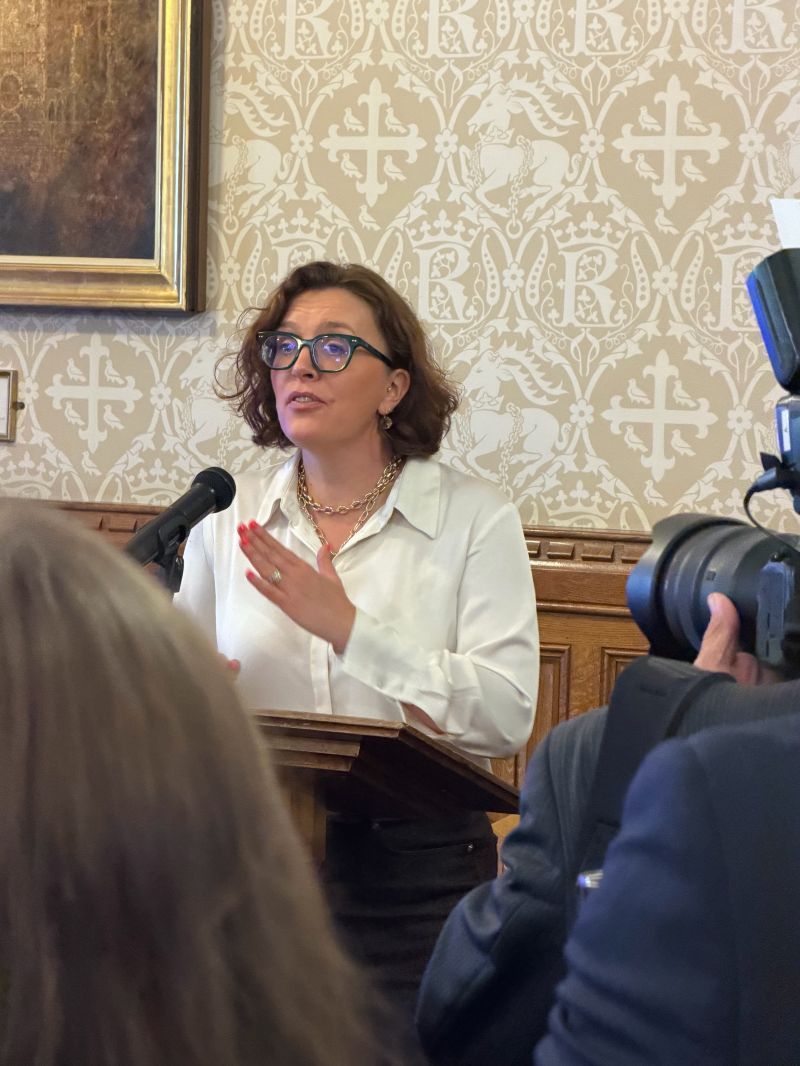
What happens when an organisation’s safety culture is put on trial? Through a compelling mock trial, legal and safety perspectives will come together to examine what happens when things go wrong and an organisation’s culture, leadership, decision-making and behaviours are called into question.






-
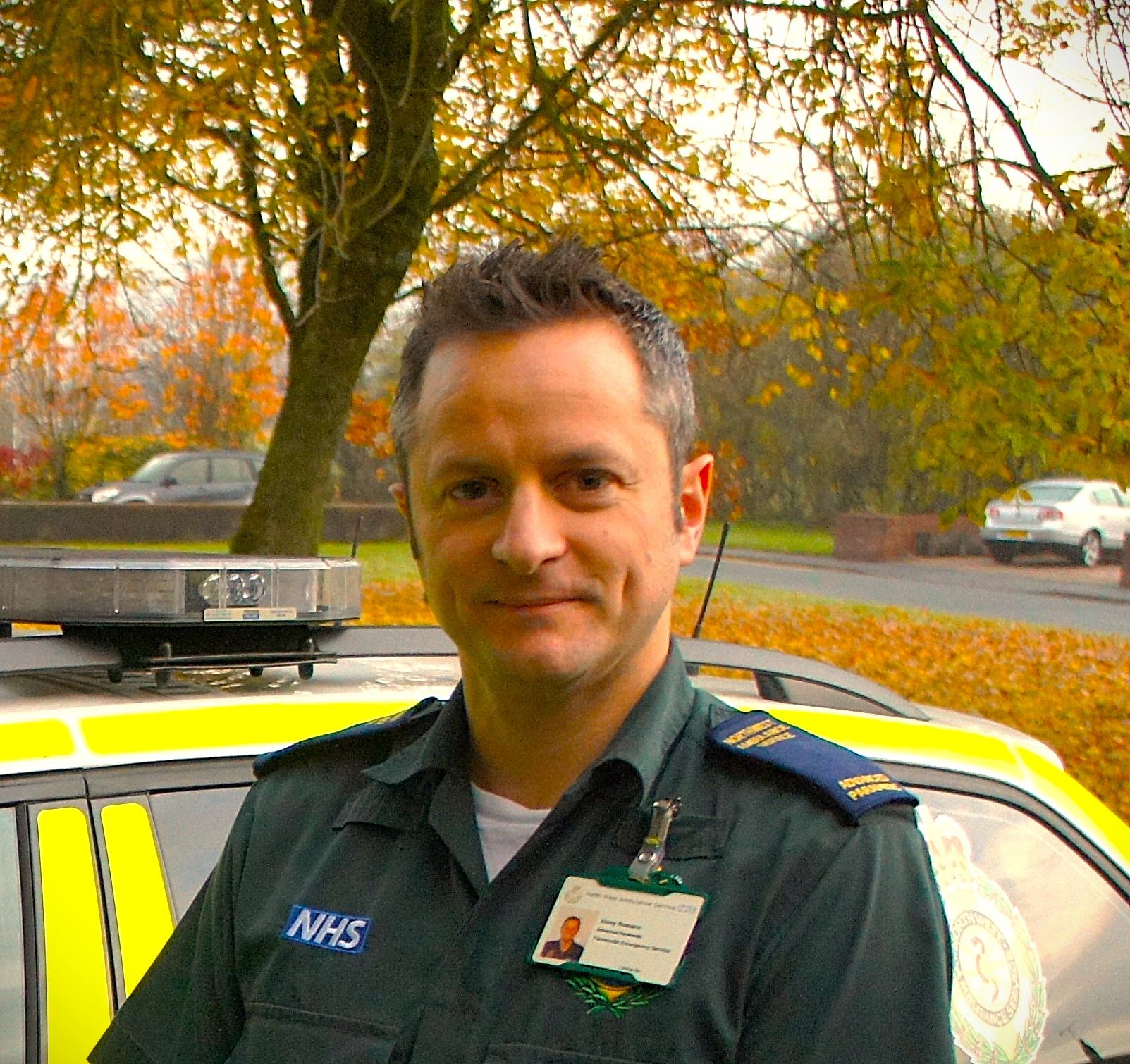
Managing Traumatic Stress: A Tool for Emergency Responders and Leaders offers valuable lessons for any industry whose workforce is exposed to high pressure, emotionally challenging situations, or sustained operational stress. Drawing on evidence from healthcare, emergency response, psychology, and organisational leadership, this presentation demonstrates how psychological wellbeing should be viewed as a core organisational responsibility rather than an individual issue.
The session highlights how staff performance, retention, absenteeism, and workplace culture are directly influenced by an organisation’s ability to recognise and respond to trauma, stress, and moral injury. It challenges leaders to move beyond reactive wellbeing initiatives and instead establish proactive systems that identify risk early, reduce stigma, and create psychologically safe environments.
-
When an incident occurs, the investigation that follows can be just as important as the immediate response. This panel explores how effective investigations uncover root causes, identify failures in systems and procedures, and turn evidence into meaningful action. Panellists will examine how organisations can move beyond blame and superficial conclusions to learn lessons, strengthen safety culture and prevent recurrence. The discussion will consider the importance of gathering reliable evidence, conducting impartial investigations and ensuring that findings lead to lasting improvements rather than simply completing a report.
-
Are we creating workplaces where people can thrive, or simply expecting them to cope with more? From fruit bowls and wellbeing campaigns to the everyday behaviours, leadership decisions and working conditions that shape people’s lives, this session challenges organisations to look beyond the superficial. Drawing on the principles of ISO 45003, the international guidance on psychological health and safety at work, it explores how leadership, work design, organisational culture and workplace pressures influence mental and physical health, safety and resilience
-
Drawing on IIRSM’s Organisational Risk Map and risk competence framework, Rosie Russell explores why managing risk effectively requires more than technical expertise. She examines how risks connect across people, operations, the organisation and its external environment, and how siloed approaches can leave important threats overlooked.
-
Every product, service and construction project depends on people. Yet the human impact of how work is organised, contracted and delivered is often invisible.
IOSH's human cost campaign challenges us to look beyond the finished product and consider the realities experienced by workers throughout the supply chain. From unsafe working conditions and excessive work demands to labour exploitation and modern slavery, hidden risks can have significant human and organisational consequences.
This session explores what these issues mean for OSH professionals and how they connect to broader responsibilities around worker wellbeing, contractor management, due diligence and organisational culture. Join us to gain practical ideas for recognising potential risks, engaging stakeholders and promoting safer, healthier and more ethical outcomes for all workers.
-
A live and practical session showing how different AI tools can be used across real health and safety scenarios. Rather than focusing on theory or hype, this session will demonstrate how a range of platforms can help with insight gathering, content creation and practical problem-solving, with each tool used for the job it does best.
Using a relatable end-to-end use case, the session will show how AI can support different stages of a real workflow, from exploring information and shaping ideas through to producing useful outputs and simple digital tools. Attendees will leave with a clearer understanding of where AI can genuinely add value in day-to-day health and safety work, how different tools serve different purposes, and how to start using them in a practical and sensible way.
-
Modern slavery can be hidden in plain sight, within workplaces, employment practices and complex supply chains. But spotting and preventing exploitation isn't the responsibility of one profession alone.
Bringing together perspectives from occupational safety and health, human resources, procurement and the anti-slavery sector, this panel will explore how these functions can work together to recognise warning signs and strengthen prevention.
From what we see on the ground to the decisions made about people, suppliers and contractors, the discussion will bring modern slavery back to the everyday workplace and ask: where and how can safety and health professionals make a difference?
Join us to gain practical insights into how greater awareness, due diligence and cross-functional collaboration can help protect workers and uncover the human cost that might otherwise remain hidden.
Chairperson -
Starting a career in Occupational Safety and Health can be both exciting and challenging. Early-career professionals are often expected to influence decisions, navigate workplace pressures, and establish credibility while continuing to develop their skills and confidence.
Join members of the IOSH Future Leaders Community Committee for an interactive panel discussion exploring the realities of building an OSH career. Through personal experiences and practical insights, our panellists will discuss how they've developed confidence, influenced positive change, managed competing priorities, and found their voice in the workplace. Attendees will gain valuable lessons and actionable advice to help them grow, make an impact, and thrive in the profession.
-
What will safety look like in 2030 — and who will be responsible for it? As AI, automation, climate change, new technologies and changing patterns of work reshape organisations, traditional approaches to health and safety are being challenged. In this opening conversation, we will explore what the future holds. Will safety remain a specialist function, or will responsibility become embedded across leadership, operations, technology and culture? What skills will tomorrow’s safety professionals need? And what must organisations do differently today to prepare for the risks of tomorrow? A provocative conversation about where safety is heading — and who needs to lead the change.Speakers
-
In this fireside chat, Laura Gibb, Chief Executive of the Security Industry Authority (SIA), the regulator responsible for Martyn’s Law, joins Figen Murray OBE, the law’s driving force and tireless campaigner, for an open and practical conversation about what the legislation means for those responsible for public spaces. Moving beyond the headlines and misconceptions, they will explore the purpose of the legislation, address common concerns and explain how venues can approach their new responsibilities with confidence. A key focus will be proportionality, ensuring that protective measures are appropriate to the size and nature of each venue, without placing an unreasonable financial burden on smaller organisations.
-
How can safety professionals turn a recommendation into a business decision? In this keynote conversation, Lucy Pritchard brings the perspective of an experienced in-house safety leader, while CEO Tom offers the view from the boardroom. Together, they explore how to build a culture that supports open safety discussions, influence senior decision-makers and demonstrate the business value of investing in people and prevention.
-
As safety becomes increasingly complex, are we sometimes losing sight of what genuinely keeps people safe? Drawing on his award-winning work, Matt Hall, Lead Auditor at Rolls-Royce shares how organisations he has worked within have challenged their existing approach and refocused on the fundamentals of safety. Rather than adding another layer of systems and procedures, what needed to change in the way people thought, behaved and took responsibility? Through a real-world account of cultural change, increased safety reporting, stronger action close-out and a period with zero injuries on site, Matt explores what made the difference — and what other organisations can learn from going back to basics.
Key takeaways
- Challenge complexity: Identify where safety systems and processes may have become unnecessarily complicated or lost sight of their purpose.
- Refocus on the fundamentals: Understand which everyday behaviours, leadership practices and safety principles make the greatest difference.
- Build a culture of ownership: Explore how listening to, influencing and empowering people can strengthen reporting and engagement.
- Turn reporting into action: Learn why encouraging people to raise concerns must be matched by effective action and close-out.
- Translate learning into practice: Identify practical changes that safety professionals can take back to their own organisations to improve safety performance.
Speakers -
Everyone wants people to speak up about safety concerns. But what happens when a leader's response makes them wish they hadn't?
In this immersive, actor-led session at Safety, Health & Wellbeing Live, you'll watch a workplace conversation unfold and have the opportunity to direct the leader's response in real time. Explore how curiosity, defensiveness and blame shape what happens next — and discover how a different response can turn a moment of silence into an opportunity to learn.
Chairperson -
What happens when an organisation’s safety culture is put on trial? Through a compelling mock trial, legal and safety perspectives will come together to examine what happens when things go wrong and an organisation’s culture, leadership, decision-making and behaviours are called into question.
-
Managing Traumatic Stress: A Tool for Emergency Responders and Leaders offers valuable lessons for any industry whose workforce is exposed to high pressure, emotionally challenging situations, or sustained operational stress. Drawing on evidence from healthcare, emergency response, psychology, and organisational leadership, this presentation demonstrates how psychological wellbeing should be viewed as a core organisational responsibility rather than an individual issue.
The session highlights how staff performance, retention, absenteeism, and workplace culture are directly influenced by an organisation’s ability to recognise and respond to trauma, stress, and moral injury. It challenges leaders to move beyond reactive wellbeing initiatives and instead establish proactive systems that identify risk early, reduce stigma, and create psychologically safe environments.
-
When an incident occurs, the investigation that follows can be just as important as the immediate response. This panel explores how effective investigations uncover root causes, identify failures in systems and procedures, and turn evidence into meaningful action. Panellists will examine how organisations can move beyond blame and superficial conclusions to learn lessons, strengthen safety culture and prevent recurrence. The discussion will consider the importance of gathering reliable evidence, conducting impartial investigations and ensuring that findings lead to lasting improvements rather than simply completing a report.
-
Are we creating workplaces where people can thrive, or simply expecting them to cope with more? From fruit bowls and wellbeing campaigns to the everyday behaviours, leadership decisions and working conditions that shape people’s lives, this session challenges organisations to look beyond the superficial. Drawing on the principles of ISO 45003, the international guidance on psychological health and safety at work, it explores how leadership, work design, organisational culture and workplace pressures influence mental and physical health, safety and resilience
-
Drawing on IIRSM’s Organisational Risk Map and risk competence framework, Rosie Russell explores why managing risk effectively requires more than technical expertise. She examines how risks connect across people, operations, the organisation and its external environment, and how siloed approaches can leave important threats overlooked.