)
)
)

-
Employers have a legal duty to protect workers from stress at work by doing a risk assessment and acting on it. In this workshop session, Phoebe will guide you through the essential steps of a work-related stress risk assessment and the processes that you can use to help identify, communicate and manage the stress risk factors in your organisation. The session will outline employers’ legal duties in relation to stress and signpost to several solutions from HSE to support organisations in tackling this important issue.
-
Learn how the HSE Stress Indicator Tool enables organisations to measure work-related stress levels so they can make data driven decisions to best support their workers. We will also be showcasing the additional question-set for home and hybrid workers and exclusive benchmarking data so organisations can review their results against industry standards.
-
During this session, a Specialist HSE Inspector for noise and vibration will share the findings from recent inspections focussing on workplace noise exposure.
Delegates will also be given practical advice on assessing noise and vibration risks, and information on the support and solutions available from HSE on this topic to help employers comply with their legal duties.
-
As a key component in ensuring that workers are competent to perform their roles in a healthy and safe way, its vital that training is appropriate and effective.
During this session, Chris will discuss the ways that competence is achieved, explore employers' responsibilities and focus specifically on what should be considered when workplace training is being developed and/or sourced - including the principles of effective learning design and current L&D trends.
-
Learn how the recently released Accident and Near-miss Tool helps organisations reduce the burden of managing incident records while ensuring compliance with Reporting of Injuries, Diseases and Dangerous Occurrences Regulations (RIDDOR).
It automates the collection of accident and near-miss records, allowing teams to filter by location, type or date. This helps you understand more deeply how risks occur and take informed preventive measures
-
Learn how to complete and analyse musculoskeletal disorder risk assessments using HSE’s digital tools:
• Manual Handling Assessments Charts (MAC) tool
• Risk Assessment of Pushing and Pulling (RAPP) tool
• Assessment of Repetitive Tasks Tool (ART) tool
• Back Injury Risks in Driving (BIRD) toolThese digital tools enable assessors to complete assessments more accurately and efficiently by following a logical step-by-step approach. Once completed, the system stores and consolidates all assessments so they can be easily reviewed and analysed.



-
An introduction to IOSH: how it can benefit your career and the wider OSH profession
-
In this 20-minute session, discover how the IOSH Business Assurance Tool (BAT) assesses and advances your organisation’s OSH cultural maturity through a live demo and practical guide, empowering you to drive strategic safety improvements—plus, learn how to access a free trial to get started.
-
IOSH member session: Keeping up to date with Continuing Professional Development (CPD) and BlueprintPractical tips on what activities count towards your CPD and how reflective learning can be easily achieved. Learn how to get the most out of IOSH's CPD tool - Blueprint.
-
An introduction to IOSH: how it can benefit your career and the wider OSH profession
-
Want to become Chartered with your qualification and experience? Come and learn about our assessment processes and what's involved.
-
IOSH member session: Keeping up to date with Continuing Professional Development (CPD) and BlueprintPractical tips on what activities count towards your CPD and how reflective learning can be easily achieved. Learn how to get the most out of IOSH's CPD tool - Blueprint.
-
Your personal brand is more than a profile—it’s your professional impact. In this interactive session, Laura
will show how safety professionals can use personal branding to boost credibility, lead with authenticity, and
amplify their voice.With practical tips and real examples, you’ll learn how to use platforms like LinkedIn to build influence, spark
conversations, and strengthen both your career and the reputation of the safety profession. -
This practical session will consider the importance and value of internal investigations from both a H&S practitioner and a legal perspective. During the session, Rhian will highlight how and why an internal investigation report can be so helpful to a legal case.
-
As safety professionals, we regularly engage with senior management teams, and a central part of those conversations is balancing risk, cost, time and effort as we work within the concept of “so far as is reasonably practicable”. But risk extends far beyond the boundaries of health and safety. When we talk about risk, we’re really talking about an organisation’s overall appetite for it.
-
While often seen as a security issue, the Terrorism (Protection of Premises) Act 2025, is at its core, about
managing risk, something health and safety practitioners do every day. This practical session will examine
the implications of the new duties and the differences between Standard and Enhanced Tier requirements.
Attendees will leave with clear, sensible takeaways and the confidence to view the new requirements as an
extension of the skills they already use to keep people safe. -
Good leadership is an essential foundation to building and sustaining a positive safety culture within an organisation. We’ll be exploring how important it is for leaders to consider how their decisions impact others, and how communication can influence attitudes and behaviours toward safety.
-
This event brings together fellow alumni along with colleagues from NEBOSH and the Health and Safety Executive, offering a opportunity to connect, share experiences and grow your professional network. Whether you’re curious about NEBOSH or HSE qualifications, or simply looking to meet like-minded OSH professionals, our team will be on hand to offer guidance and answer your questions.




-
This presentation reviews traditional methods for working at height and examines data on associated risks, including accidents, injuries, and musculoskeletal disorders. It explores practical recommendations to reduce fall potential and minimise physical strain. Real-world case studies highlight how alternative low-level access solutions can improve productivity compared to conventional approaches. Finally, the session discusses the evolution of access solutions, offering insight into safer, more efficient ways to perform work at height across diverse environments.
-
When a cutting-edge research facility discovered its fire safety strategy had become dangerously obsolete, the stakes couldn't have been higher. A 1950s office building had evolved into a hazardous materials laboratory, but its fire protection systems hadn't kept pace. The local fire service inspection exposed critical deficiencies. Regulatory non-compliance threatened operations.
This is the story of how Bureau Veritas turned a compliance crisis into a competitive advantage.
Through strategic fire risk assessment and expert engineering, our team identified the root causes and designed bespoke solutions tailored to the facility's unique operational demands. We didn't just patch problems we rebuilt the entire fire safety framework: retrospective fire strategy, enhanced compartmentation, comprehensive fire door assessments, and optimized emergency systems.
The result? Complete regulatory alignment, significantly improved life safety, reduced operational risk, and restored confidence. The client now operates in a complex, high-risk environment with the assurance that every person and asset is protected by a robust, future-ready fire safety system.
Discover how expert engineering and strategic risk management transformed a compliance challenge into a blueprint for operational excellence
-
Every organisation is unique, with its own people, risks, and ways of working. When EHS technology doesn’t fully align with these realities, adoption and engagement can suffer. EHSwise addresses this challenge by enabling organisations to anticipate change and tailor EHS solutions to their specific needs — supporting stronger engagement and more effective safety outcomes.
Join Derya Sousa, CEO, and Zayn Mistry, Business Development, as they share how flexible, configurable EHS systems can be shaped around organisational needs - not the other way around. The session will highlight the importance of adaptability, strong customer partnerships, and scalable design, followed by a live demonstration of EHSwise modules tailored to real-world safety challenges.
Attendees will leave with practical insights into selecting and implementing EHS technology that supports long-term engagement, operational efficiency, and sustainable safety outcomes.
-
It is well known that a focus on safety gives organisations greater profitability and that the majority of incidents in the workplace are organisational failings with poor leadership, judgement or ineffective decision-making being a root cause. We therefore work with organisations to develop leaders to be better safety leaders through the application of our ‘Leadership in Action methodology which combines safety, reliability (People, process and equipment) and decision making to create better leaders. We offer bespoke solutions and accredited qualifications depending on your needs.
-
Some are praying AI will solve everything. Others worry it will replace HSEQ.
The reality is more useful: deployed well, AI creates near-unlimited capacity to generate signals HSEQ teams have never been resourced to find.
Imagine insights from the things you’ve only ever been able to sample, or check annually, if they were validated against day-to-day activity in real time.
In this session, we’ll cover our Data → Signal → Action framework and real-world examples of HSEQ teams seeing outsized results in days, not months
-
Thanks to robust systems, leadership commitment, and decades of learning from past events incidents are rare. However, this rarity breeds complacency: the urgency to invest in Process Safety Management (PSM) diminishes. Challenges are worsened by high energy costs and economic constraints; borrowing and inflation.
"Rare = Safe" is a dangerous illusion. Effective PSM systems must counterbalance it. We advocate for effective leadership and gap analysis as a critical means of maintaining effective PSM, in the relative absence of hazardous industry incidents.





-
Join Karl Simons OBE for an insightful exploration of how artificial intelligence is reshaping the world of health and safety. Drawing on real-world success stories from his work at FYLD, Karl reflect …
-
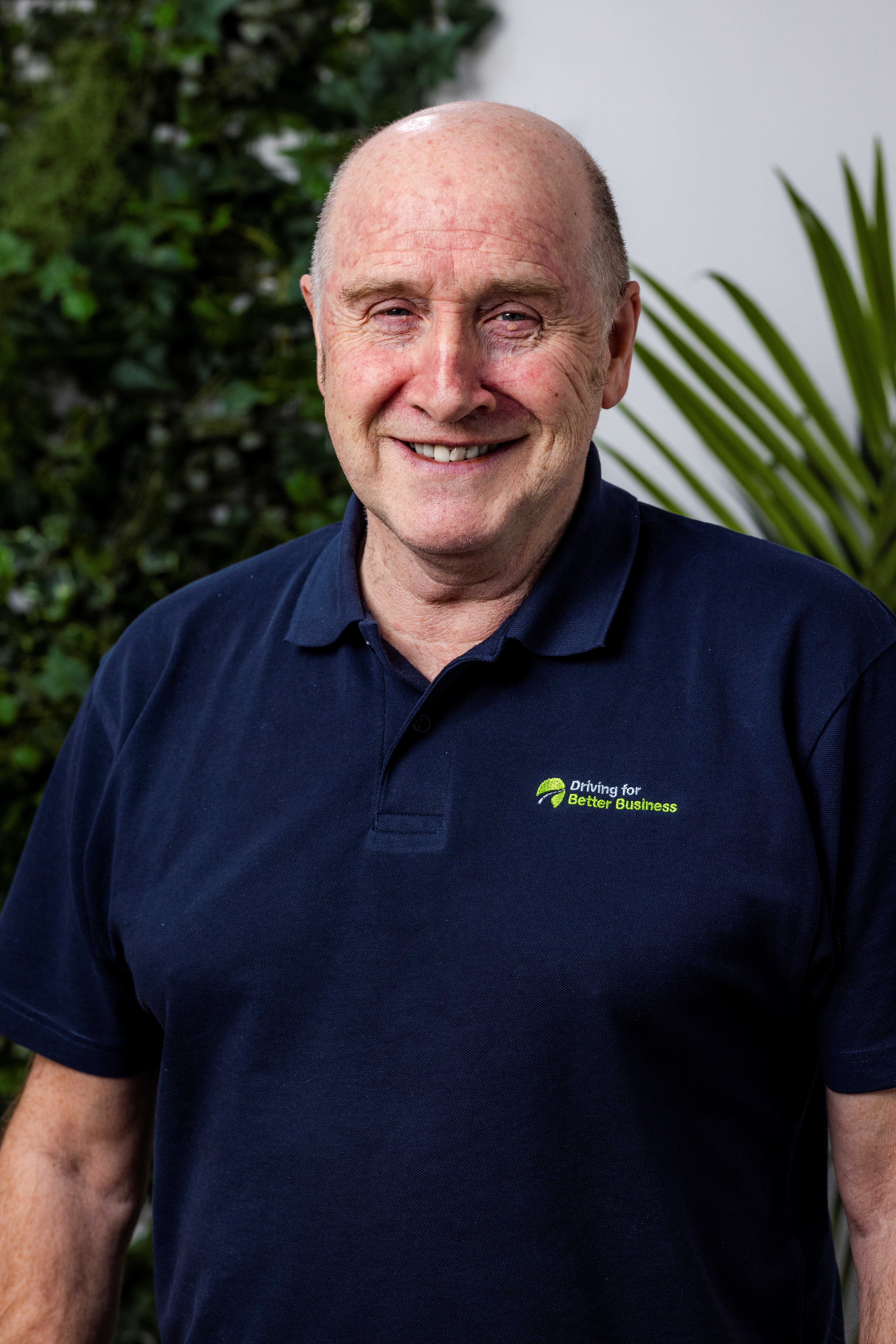
This session, led by Jim Magner from Driving for Better business, includes a case study from Alasdair Hayman-Start, Fleet Manager at utilities company SP Electricity North West, and explores how to su …
-
Using data to communicate safety needs is a key skill. In this session, we will walk you through approaches you can take to use and present data to tell a compelling story that will help you influence decision making when it comes to safety.
-
The nature of work has evolved rapidly, reshaping the profile of lone working across sectors. Hybrid and remote models, the growth of gig and field-based employment, and advances in automation have ex …
-
Occupational safety and health (OSH) professionals play a vital role in shifting organisational mindsets—from a culture of compliance to one of genuine care. This insightful session explores why this transition matters, and how reframing safety as a core value rather than a shifting priority can lead to lasting improvements in workplace wellbeing, engagement, and performance.



-
This presentation summarises the creation and implementation of Martyn’s Law (Terrorism (Protection of Premises) Act 2025), established after the Manchester Arena attack. Led by Figen Murray OBE, this law introduces tiered safety measures for UK venues based on capacity, overseen by the Security Industry Authority (SIA) over a two-year implementation period. The talk highlights responsibilities and resources for organisations, emphasising public safety without undue business burdens.
-
Explore health and safety challenges arising from temporary escalation spaces such as “corridor care,” particularly during winter pressures in the health and social care sector. Speakers will share be …
-
Examining violence and aggression toward health and social care staff, this session will include an overview of NHS England’s Violence Prevention and Reduction Standards and the Anti-Violence Collabor …
-
With a focus on balancing assurance and reassurance within governance frameworks. Speakers will highlight how data adoption and AI can strengthen compliance and provide evidence-based processes for st …Speakers
-
This session will expand on understanding the impacts of climate change on safety to exploring how we can build resilience and capability into safety strategies and planning to keep the workforce safe, in both the rail and construction industrySpeakers
-
Drawing on Shaun’s role as technical author of the Industry Task and Finish Group’s new guidance, this session explores how competence in the built environment must move beyond qualifications to a systems-based approach shaped by post-Grenfell regulatory reform. It highlights common gaps in current practice and sets out what “good” looks like in terms of leadership, organisational competence management, assurance, and continuous improvement.
-





-
Sarah Newton, Chair of the Health and Safety Executive, will talk about the organisations priorities in 2026 to deliver on their People and Places Strategy. This includes a particular focus on preventing work-related ill health, how this work supports the UK Government’s commitment to growth and the steps employers can take to reduce risk within their own workplaces.
-
• How employee expectations have shifted, what’s no longer working and what organisations must rethink to stay relevant and supportive.
• How to build trust, psychological safety and genuine care across frontline, site-based and hybrid teams.
• How to move wellbeing from an HR initiative to a leadership responsibility and how to prove its value to the board.
Chairperson -
This interactive session brings together four leading voices in Health and Safety to challenge a persistent issue in our industry: The perception of safety professionals as rule enforcers rather than …
-
We talk a lot about keeping people safe — but how often do we ask if they’re well? Even in organisations with strong safety records, people are burning out, disengaging, or just “having a bad day.” Th …Chairperson
-
This sesson will look at the risks around working at height, the associated statutory requirements and how standards and training drive can competency, safety and compliance.
-
Why there is a secret storyteller in all of us, and how storytelling can an underestimated platform for change.Even change management experts find it hard to create large-scale transformation in organ …Speakers










-
Following recent high profile car park fires, causing very significant financial losses, concern has been raised regarding fire risk management in design and operation of MSCP & UGCP. Andy Wood presents reassurance on strategic fire safety in this technical area.
-
Fire safety isn't just about compliance, it's about confidence. When duty holders select fire risk assessors, how do they know they're getting genuine expertise? How can organizations ensure their assessments are thorough, defensible, and future proof?
Enter BS8674: the competence framework that's transforming how the industry evaluates fire safety expertise.
-
This session addresses the intersection of climate change and fire risk, with insights around fire safety in agriculture and fire risk from wildfires.
-
Learn what’s working well and what needs improvement in involving residents when it comes to fire safety. Discussing the challenges faced by Accountable Persons and Responsible Persons, including flat entrance door checks and solutions for access issues.
-
In the third progression of Li-ion battery safety Ian Scott discusses risks associated with domestic, small business and Grid connected BESS and the potential consequences to public & community safety.
-
As part of our annual update in this field we refresh 'What's New' in Gov.UK policy and strategy including General Product Safety Regulations, safety mechanisms etc, environmental impacts and also small scale BESS home units.
-
Anne Isaacs looks at the huge range of fire hazards and the critical consequences across the student accommodation sector. Anne includes the duty of care, landlord responsibilities, kitchen safety, community safety for students and keeping your young loved ones safe.
-
Fire risk issues in E-bikes, E-scooters and other personal transport is a topic which Bernie Higgins is passionate about. His presentation will be a refresher on the key risks and consequences and how to avoid harm and damage.
-
As a closure to today's proceedings all our presenters and panel members will be available to re-cap issues and questions posed during Networking today, to clarify any points of concern raised or feedback before you leave us.






-
Learn how the award-winning HSE Safety Climate Tool enables organisations to measure their safety climate so they can make data driven decisions to best support their workers.
We will also be showcasing exclusive benchmarking data so organisations can review their results against industry standards.
-
This informative session will give insight into HSE's approach to incident investigations.
It will cover the types of incidents that HSE investigates, roles and responsibilities before, during and after an investigation, and give practical guidance on how employers should approach their own investigations following an adverse event in the workplace.
-
Learn how the recently released Accident and Near-miss Tool helps organisations reduce the burden of managing incident records while ensuring compliance with Reporting of Injuries, Diseases and Dangerous Occurrences Regulations (RIDDOR).
It automates the collection of accident and near-miss records, allowing teams to filter by location, type or date. This helps you understand more deeply how risks occur and take informed preventive measures.
-
This session, led by an HSE Inspector, will help you assess whether your occupational health provision is appropriate, effective, and compliant with legal requirements.
You’ll be guided through key considerations that will help you ensure you identify a service that will match your organisation’s needs whilst also standing up to scrutiny.
-
Learn how the HSE Stress Indicator Tool enables organisations to measure work-related stress levels so they can make data driven decisions to best support their workers. We will also be showcasing the additional question-set for home and hybrid workers and exclusive benchmarking data so organisations can review their results against industry standards.

-
Introducing you to how IOSH has developed the global standard for OSH professionals to support entry into OSH careers and a framework for professional development, highlighting the IOSH qualifications as a benchmark of competence for individuals and businesses.
-
In this 20-minute session, discover how the IOSH Business Assurance Tool (BAT) assesses and advances your organisation’s OSH cultural maturity through a live demo and practical guide, empowering you to drive strategic safety improvements—plus, learn how to access a free trial to get started.
-
IOSH member session: Keeping up to date with Continuing Professional Development (CPD) and BlueprintPractical tips on what activities count towards your CPD and how reflective learning can be easily achieved. Learn how to get the most out of IOSH's CPD tool - Blueprint.
-
An introduction to IOSH: how it can benefit your career and the wider OSH profession
-
In this 20-minute session, discover how the IOSH Business Assurance Tool (BAT) assesses and advances your organisation’s OSH cultural maturity through a live demo and practical guide, empowering you to drive strategic safety improvements—plus, learn how to access a free trial to get started.
-
Want to become Chartered with your qualification and experience? Come and learn about our assessment processes and what's involved.
-
Getting leadership buy in and commitment to health and safety initiatives is a common challenge for many safety professionals. In this session we will explore how strong communication skills, preparation and understanding their perspective can all help you better connect with the CEO and other C-suite leaders.
-
In this interactive session, Dr Nick Bell introduces Motivational Interviewing (MI): a practical, evidence-based approach to influencing decisions through better conversations.
You’ll explore why people sometimes push back against change — even when it is clearly sensible. The session shows how asking different questions, and listening differently, can strengthen motivation for change and improve the quality of safety conversations at every level.
-
Are all your employees equally protected from risk? Can they assume the same baseline level of protection as each other? We spend significant time and resources undertaking risk assessments and putting in place controls to protect our people, yet some are more likely to come to harm than others. In an era where EDI seems to be under attack, it turns out that many social and personal characteristics are also tied to safety outcomes in the workplace. A picture is slowly emerging that risks in the workplace do not affect us all equally and that the baseline of safety that we can assume is not quite the same for everyone.Speakers
-
Artificial intelligence is increasingly influencing how organisations identify risk, monitor compliance and improve safety performance - but what does this mean in practice for OSH professionals? This session draws on insights from Phoenix Health & Safety’s exclusive NEBOSH Verified Artificial Intelligence – Application in OSH course, to offer attendees a clear, real-world perspective on how AI can be integrated into existing safety strategies to support proactive risk management. It will provide an overview of current AI applications including predictive risk analytics, intelligent safety management systems and emerging technologies such as computer vision and wearables. Key considerations around governance, ethics and responsible implementation will also be considered.
-
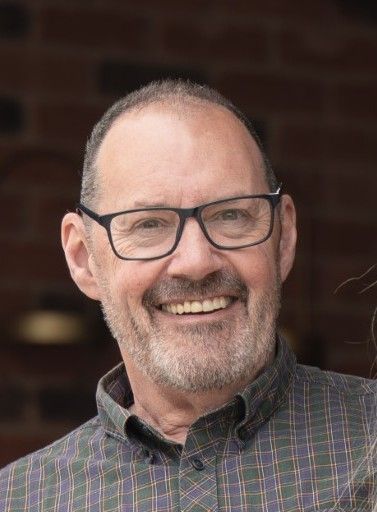
The role of the health and safety professional is evolving. Technological changes, high employee and customer requirements, and regulator focus is driving this shift in expectations. This session is designed to provide an insight and data-led overview alongside actionable advice. Attendees will gain a clear understanding of the changes, what’s driving them, and advice on turning professional knowledge into real world improvements.


-
Attending to the emotional wellbeing of people in the workplace isn’t just an issue of wellbeing, it is a something that is essential for all aspects of a successful organisation.
We have all had a call to action, from the Health and Safety Executive in England, about employers being proactive and preventative towards emotional wellbeing.
This presentation will outline how organisations can take steps towards creating safe and connected workplaces. With safety and connection being the key to enabling all human beings to work to their optimum.
-
Patrick Ball is one of the leading speakers on alcohol & substance misuse, hidden addiction and gambling in the workplace.
He will join us on stage to discuss how to spot the signs of those struggling in our workplace, how to approach them and how to keep them on the right track as a manager once they’ve started to receive the right help.
This talk will run through many key elements such as the safety risks of coming in under the influence, turning a blind eye and implementing a proactive approach in your organisation.
-
Traditional safety systems focus on rules, procedures and controls - yet most critical incidents are driven by human decision-making under pressure. This session introduces NeuroSafety, a neuroscience-based approach to understanding risk behaviour. Drawing on research in fear–reward systems, cognitive load, and leadership neurobiology, Phoebe Westaway explores why people make unsafe decisions and how organisations can redesign safety leadership and systems to align with the brain. Attendees will gain practical insights to transform human factors into a measurable safety advantage.
-
How GfG TOTALCare service packages eliminate unforeseen costs whilst ensuring continued compliance for your safety equipmentSpeakers
-
For the first time in the industry, Pristine Condition applies Olympic weightlifting techniques to real workplace tasks—making manual handling practical, relevant, and genuinely effective. In this engaging tech talk, Danielle challenges one-size-fits-all training and explains how the Pristine Principles and task-specific training improve safety, performance, and confidence. It’s a fresh, hands-on approach that delivers real results and gives people techniques they trust and use every day.
-
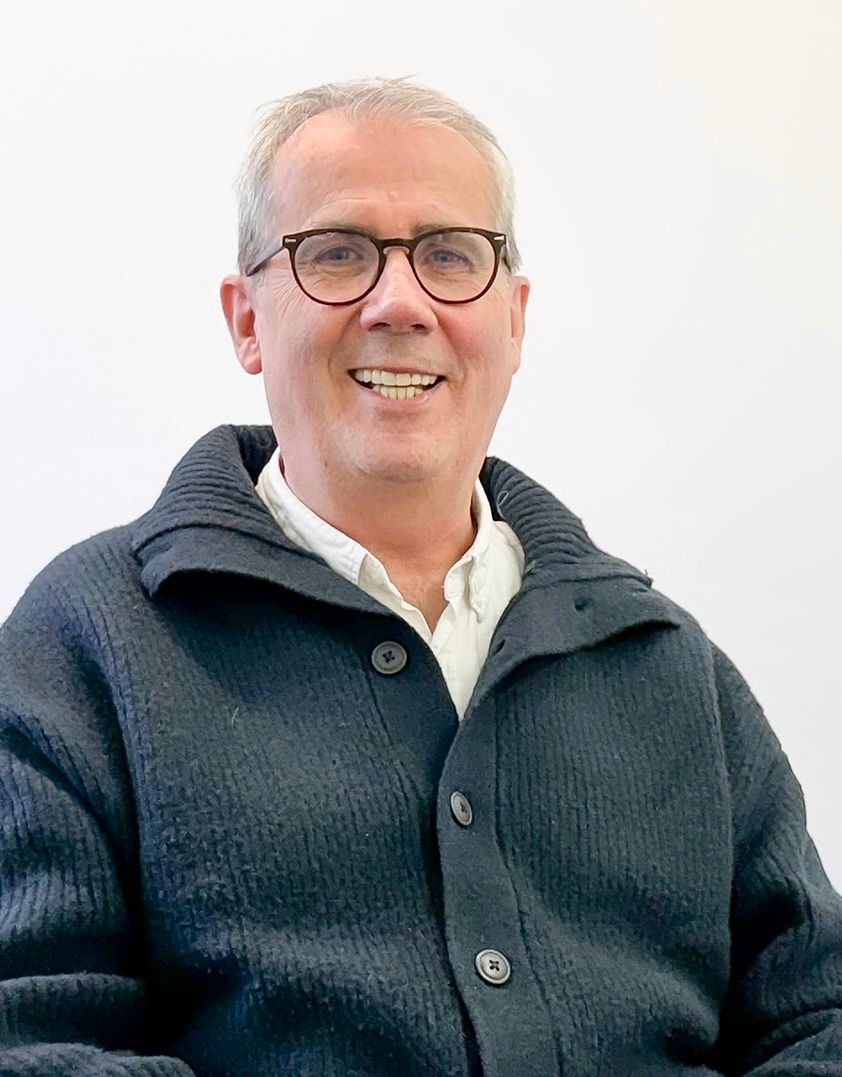
EHS systems are only effective when the people operating within them are competent, current and authorised to manage risk. For many organisations, this challenge is amplified by diverse, mobile workforces spanning multiple sites, contractors, and seasonal or transient workers all of whom must meet the same safety and compliance expectations.
This Tech Talk explores how leading organisations treat workforce competency and compliance as core risk controls, embedded within an integrated EHS management system rather than managed as standalone training records. The session will examine how linking competency data to roles, tasks and risk profiles improves operational readiness, reduces exposure from capability gaps and strengthens assurance across complex environments.
Attendees will gain practical insight into how a digital, systems-based approach simplifies onboarding and verification, reduces administrative effort, and improves visibility of who is competent to do what — and where. By making competency measurable and auditable, organisations can demonstrate control, avoid costly non-compliance and rework, and ensure safety investment delivers tangible value alongside safer outcomes and stronger governance.





-
A new British Standard on suicide awareness in the workplace marks a significant development in the evolving landscape of health, safety, and wellbeing. This session will explore what the standard ent …
-
This talk demystifies the Reporting of Injuries, Diseases and Dangerous Occurrences Regulations (RIDDOR) and tackles one of the most common questions faced by duty holders: does this incident need to be reported?
The session explains why RIDDOR exists, who has reporting duties, and what types of incidents must be reported to the enforcing authority. Using real-world examples, the talk explores grey areas that often cause confusion, such as over-seven-day injuries, work-relatedness, occupational diseases, near misses, and incidents involving non-employees.
The talk also clarifies common myths around RIDDOR, explains how reports are used by regulators, and highlights the importance of good internal reporting systems, even when external reporting is not required.
By the end of the session, attendees will feel confident in answering the question “to report or not to report”, ensuring legal compliance, consistency, and better learning from incidents—without unnecessary bureaucracy or fear of enforcement.
-
Artificial intelligence is rapidly transforming the way manufacturers identify, assess, and manage risk — moving from reactive compliance to proactive prevention. This session explores how AI can be d …
-
AI is increasingly emerging across the EHS landscape, yet many organisations struggle to distinguish meaningful capability from marketing hype.
This session explores practical, proven uses of AI that are already supporting EHS teams today, including incident triage, early trend detection, improved risk visibility, and the reduction of administrative load. The focus is not on future concepts, but on where AI is delivering measurable value now.
Attendees will gain a clear, balanced view of where AI adds added benefits and where its limits remain within existing EHS frameworks. The session will also examine how AI can help support EHS teams shift from reactive activity to proactive risk anticipation, enabling leaders to redeploy time and capability toward culture, wellbeing and organisational resilience.
-
Join Matt as he talks how he’s built teams and world class safety culture in numerous blue chip business across the UK and the globe, Matt will talk through his experiences and what works and doesn’t …
-
Climate change presents a growing set of challenges for occupational safety and health (OSH) professionals, from increased heat exposure to more frequent extreme weather events. While the topic remain …






-
As we enter a transformative era influenced by technology and climate change, this session will examine the risks related to the future of work. Join us to gain insights into technological advancements and changing employee expectations, with an emphasis on strategies for resilience, equity, and mental well-being. Discover how the occupational safety and health (OSH) profession is evolving to create a safe future of work
-
Illegal mining has long driven global environmental degradation, pollution, and unsafe working conditions, while distorting supply chains and introducing poorly verified materials into international markets. For the UK, these impacts translate into growing waste complexity, pressure on recycling infrastructure, and the need for secure, transparent material flows. This presentation explores how weaknesses in global supply chains undermine circular economy goals and argues for a coherent approach linking responsible sourcing, traceability, and ethical procurement with robust end-of-life recovery and high-quality recycling—essential steps to reduce harm, strengthen resource security, and build a resilient materials system.
-
-
-
Step inside the world of health & safety with a mentor–mentee duo from FLSG. Hear how mentoring shaped their careers, the challenges they overcame, and the lessons they learned along the way. Discover how IOSH mentoring and membership can guide and accelerate your own professional journey.
-
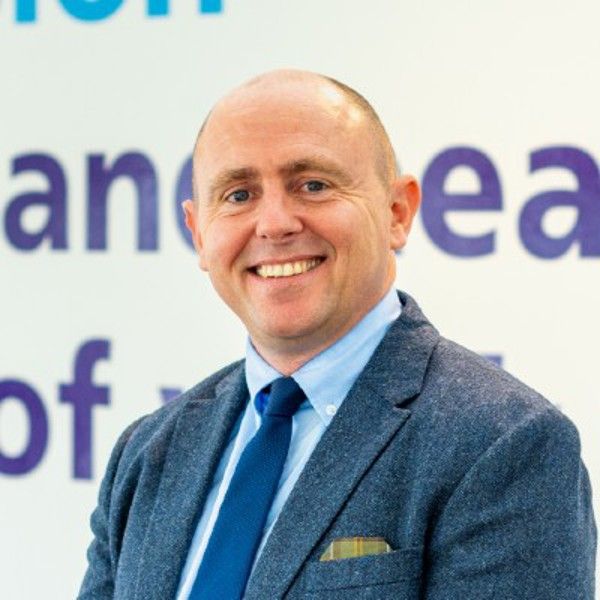
Join our Future Leaders panel as they reveal what HSE careers are really like. From leadership tips to everyday challenges, and soft skills that make the difference, discover how to thrive across industries. Interactive Q&A encouraged.Chairperson






-
The mental health affect on frontline nurses struggling with the high levels of violence and abuse, and the effect on staff retention as they struggle with a return to work after taking time off for b …
-
Traditional access methods often mask the true cost of work at height — from musculoskeletal strain and fatigue to lost productivity and rising operational risk. This panel explores how innovative, task-specific equipment is redefining return on investment by improving both financial outcomes and human performance. Through leadership, operations, engineering, and independent safety perspectives, the discussion examines how reducing physical strain, improving work quality, and supporting worker wellbeing can deliver measurable value across safety, efficiency, and long-term workforce resilience.
-
The presentation will cover: Looking at bases of power, who holds the power and who are they? Stakeholder analysis, The Power/Interest Grid and ensuring your stakeholders are supported. The Johari Win …
-
Recent tragedies have exposed critical gaps in evacuation and safety planning, particularly for those with reduced mobility. These events have driven legislative change and a renewed focus on inclusive safety, challenging organisations to think beyond compliance.
Drawing on decades of experience, Evac+Chair explores how tragedy has shaped regulation, design, and responsibility - and how inclusive evacuation solutions help ensure no one is left behind in an emergency.
-
"If you think compliance is expensive, try non-compliance". Former US Deputy Attorney General Paul McNulty was right! Rhian Greaves outlines the true financial cost of workplace accidents, providing you with a data and experience driven session to equip you with the detail you need to question commercial behaviours, challenge thinking and change the complexion of investment decision making in your organisation.
-
ESG in no longer a policy choice. It is a strategic business risk. This presentation with Bexley Beaumont’s specialist lawyers, looks to unpack how environmental compliance, health and safety, and gov …






-
Alexander Tsavalos, Intervention Design Group Unit lead in the Health and Safety Executive, will talk about some of HSE’s priorities for the 2026-27 work year as part of its work to deliver their People and Places Strategy. This will include the different ways HSE intervenes to drive change with a particular focus on preventing work-related ill health, and how leaders treating health risks in the same way they do about other management issues including traditional safety concerns could reduce the risk of ill health within their own workplaces.
-
Fire safety isn't just about compliance, it's about confidence. When duty holders select fire risk assessors, how do they know they're getting genuine expertise? How can organizations ensure their assessments are thorough, defensible, and future proof?
Enter BS8674: the competence framework that's transforming how the industry evaluates fire safety expertise.
In this presentation, we reveal:
🔍 The Framework Decoded – Understand the core components of BS8674 and why it matters for your organization
✅ The Competence Advantage – How this framework empowers you to select truly qualified assessors and eliminate guesswork
📈 Real-World Impact – Discover the measurable benefits: superior risk identification, enhanced regulatory compliance, and significantly improved safety outcomes
🛡️ Your Competitive Edge – Learn how organizations leading the industry are leveraging BS8674 to transform their fire safety strategiesThis isn't just about meeting standards; it's about exceeding them. We'll explore how BS8674 enables duty holders to make confident, informed decisions when selecting fire risk assessors, and how organizations are already using this framework to elevate their entire fire safety culture.
Join us to discover how BS8674 can become your blueprint for fire safety excellence and why early adoption positions you as an industry leader.
-
ChairpersonSpeakers
-
An introductory session from on how to effectively prepare your organisation for dealing with regulators. Learn about the scope of regulator powers and when you need to engage legal.Tips for those con …
-
What does the future have in store for health, safety and wellbeing, and how can we as a profession be prepared for less foreseeable risks - as well as manage existing ones better? Why data is your best friend and could hold the key to improving psychological safety.




)
)
)
)
)
)
)
)
)
)

)